
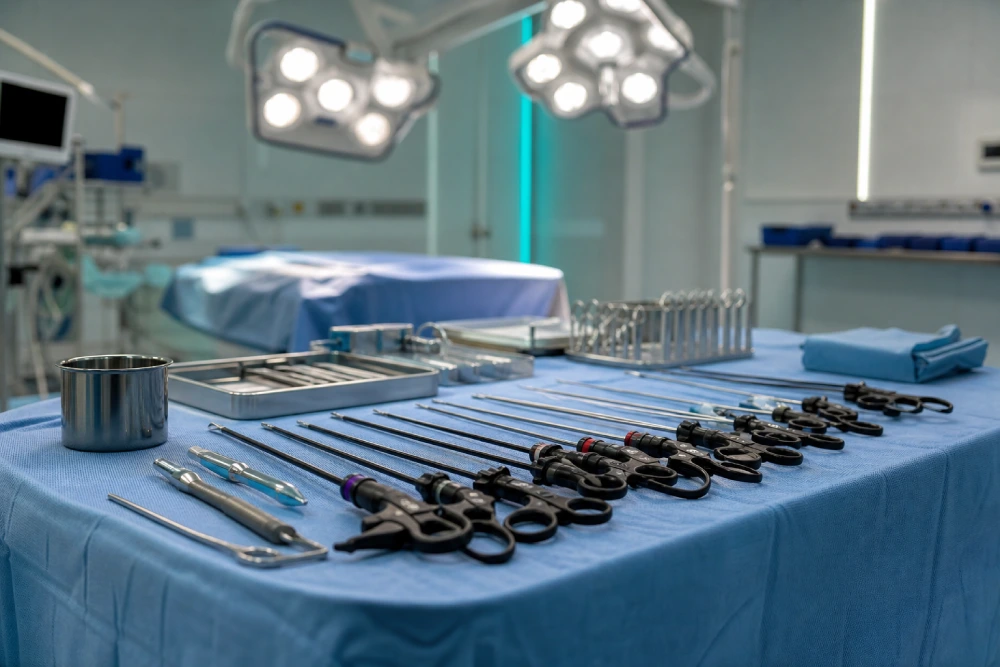


The disadvantages of laparoscopic hysterectomy include potential complications such as organ injury, longer operative times for complex cases, and technical limitations that may require conversion to open surgery. While laparoscopic hysterectomy is generally considered a minimally invasive approach with many benefits, patients should understand the potential drawbacks before making treatment decisions.
Miss Deepti Cheema, an experienced obstetrician-gynaecologist practising in Birmingham, specialises in advanced laparoscopic procedures including laparoscopic hysterectomy. She ensures patients receive comprehensive information about all aspects of their treatment options, including potential disadvantages and risks.
What Are the Main Disadvantages of Laparoscopic Hysterectomy?
Laparoscopic hysterectomy, whilst offering many advantages over traditional open surgery, does present certain disadvantages that patients should consider. Understanding these limitations helps ensure informed decision-making about surgical options.
Technical Complexity and Learning Curve
Laparoscopic hysterectomy requires advanced surgical skills and extensive training. The procedure involves working through small incisions using specialised instruments, which can be technically challenging. This complexity may result in longer operative times, particularly for surgeons still developing their laparoscopic expertise or when dealing with complicated cases.
Limited Tactile Feedback
Unlike open surgery, laparoscopic procedures provide reduced tactile sensation for the surgeon. This limitation can make it more difficult to assess tissue quality, identify adhesions, or detect subtle abnormalities that might be more easily felt during open surgery.
What Complications Can Occur During Laparoscopic Hysterectomy?
While complications are relatively rare, several specific risks are associated with laparoscopic hysterectomy that patients should understand before proceeding with surgery.
Organ Injury Risks
The disadvantages of laparoscopic hysterectomy include potential injury to surrounding organs. These may include:
Bladder injury, which occurs in approximately 1-2% of cases
Bowel injury, though less common, can be serious
Ureteral injury, affecting the tubes connecting kidneys to the bladder
Blood vessel injury, potentially requiring immediate surgical repair
Conversion to Open Surgery
In some cases, complications or technical difficulties may require conversion from laparoscopic to open surgery during the procedure. This conversion rate varies but typically occurs in 2-5% of cases, depending on factors such as patient anatomy, previous surgery, or unexpected findings.
Are There Specific Patient Factors That Increase Disadvantages?
Certain patient characteristics can increase the disadvantages of laparoscopic hysterectomy and may influence surgical planning and outcomes.
Previous Abdominal Surgery
Patients with extensive previous abdominal surgery may have adhesions (scar tissue) that make laparoscopic surgery more challenging. These adhesions can increase operative time, complicate the procedure, and potentially increase the risk of organ injury.
Large Uterine Size
Very large uteri, often due to fibroids, can present technical challenges for laparoscopic removal. The size limitations may require morcellation (cutting the uterus into smaller pieces) or conversion to open surgery, both of which carry additional considerations.
Severe Endometriosis
Extensive endometriosis can create significant adhesions and distorted anatomy, making laparoscopic hysterectomy more technically demanding and potentially increasing complication rates.
What Are the Recovery-Related Disadvantages?
While laparoscopic hysterectomy generally offers faster recovery than open surgery, certain disadvantages related to the recovery process should be considered.
Gas-Related Discomfort
The carbon dioxide gas used to inflate the abdomen during laparoscopic surgery can cause shoulder pain and abdominal discomfort for several days after the procedure. This referred pain occurs as the gas is absorbed by the body.
Port Site Issues
The small incisions used for laparoscopic instruments can occasionally develop complications such as:
Infection at port sites
Hernia formation, though rare
Persistent pain or numbness
Cosmetic concerns, though minimal
How Do Equipment Limitations Affect Laparoscopic Hysterectomy?
The disadvantages of laparoscopic hysterectomy also include limitations related to surgical equipment and technology.
Instrument Limitations
Laparoscopic instruments have limited range of motion compared to the surgeon’s hands during open surgery. This restriction can make certain manoeuvres more challenging and may require creative surgical approaches.
Visual Field Restrictions
The laparoscopic camera provides a magnified but limited view of the surgical field. Surgeons must rely on moving the camera to visualise different areas, which can be time-consuming and may occasionally result in missing important anatomical details.
When Might Open Hysterectomy Be Preferred?
Understanding the disadvantages of laparoscopic hysterectomy helps identify situations where alternative approaches might be more appropriate.
Open hysterectomy may be recommended when:
The uterus is extremely large
Extensive adhesions are present
Cancer is suspected and requires comprehensive staging
The patient has specific medical conditions affecting laparoscopic surgery
Previous laparoscopic attempts were unsuccessful
How Can Patients Minimise These Disadvantages?
While the disadvantages of laparoscopic hysterectomy cannot be completely eliminated, patients can take steps to minimise risks and optimise outcomes.
Choosing an Experienced Surgeon
Selecting a surgeon with extensive laparoscopic experience significantly reduces the risk of complications and technical difficulties. Experienced surgeons are better equipped to handle unexpected situations and make appropriate decisions about surgical approach.
Comprehensive Pre-operative Assessment
Thorough pre-operative evaluation, including detailed imaging studies, helps identify potential challenges and allows for appropriate surgical planning. This assessment can help determine whether laparoscopic approach is most suitable for individual patients.
Realistic Expectations
Understanding both the benefits and disadvantages of laparoscopic hysterectomy helps patients maintain realistic expectations about their surgery and recovery process.
What Questions Should Patients Ask Their Surgeon?
Before proceeding with laparoscopic hysterectomy, patients should discuss specific concerns with their surgeon:
What is your experience with laparoscopic hysterectomy?
What are my specific risk factors for complications?
What is the likelihood of conversion to open surgery in my case?
How will you handle unexpected findings during surgery?
What alternatives to laparoscopic hysterectomy might be suitable for me?
While laparoscopic hysterectomy offers many advantages, understanding its disadvantages ensures patients can make informed decisions about their treatment. The key is balancing these potential drawbacks against the benefits while considering individual circumstances and preferences.
To discuss whether laparoscopic hysterectomy is suitable for your specific situation and to understand how potential disadvantages might apply to your case, book a consultation with Miss Deepti Cheema in Birmingham.