
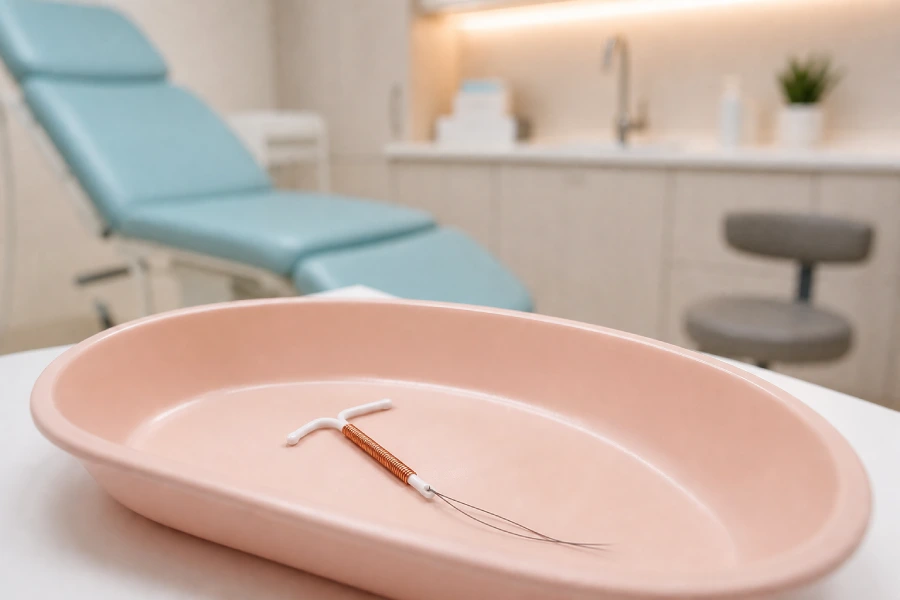


Bleeding after coil insertion is a common experience that affects most women following the procedure. Understanding what to expect can help you feel more confident about your recovery and know when to seek medical advice.
Miss Deepti Cheema is an experienced obstetrician-gynaecologist practising in Birmingham who specialises in coil insertion and comprehensive gynaecological care. With expertise in various contraceptive methods and women’s health concerns, she provides personalised care to help women make informed decisions about their reproductive health.
What Is Normal Bleeding After Coil Insertion?
Most women experience some degree of bleeding after coil insertion, which is considered a normal part of the healing process. The cervix and uterine lining may be slightly irritated during the procedure, leading to light bleeding or spotting that can last several days to a few weeks.
Normal bleeding after coil insertion typically includes:
Light spotting that is lighter than a normal period
Bleeding that gradually decreases over time
Intermittent spotting for up to six months
Cramping that improves within the first few days
Brown or pink discharge mixed with light bleeding
The type of coil you have inserted can influence your bleeding pattern. Hormonal coils may cause irregular bleeding initially, while copper coils might lead to heavier periods in some women.
How Long Does Bleeding Last After Coil Insertion?
The duration of bleeding after coil insertion varies between individuals, but most women can expect some form of bleeding or spotting for the first few weeks following the procedure.
Immediate Post-Insertion Bleeding
Light bleeding immediately after coil insertion is very common and usually lasts between one to seven days. This bleeding is typically lighter than a normal menstrual period and may be accompanied by mild cramping.
Extended Spotting Period
Some women experience intermittent spotting for several months after coil insertion. This is particularly common with hormonal coils, where irregular bleeding can occur for up to six months as your body adjusts to the device.
When Should You Be Concerned About Bleeding After Coil Insertion?
While bleeding after coil insertion is normal, certain symptoms warrant immediate medical attention. Understanding the warning signs can help you identify when your bleeding may indicate a complication.
Seek urgent medical care if you experience:
Heavy bleeding that soaks through a pad every hour for several consecutive hours
Severe abdominal pain that worsens over time
Signs of infection such as fever, chills, or foul-smelling discharge
Bleeding accompanied by dizziness or fainting
Sudden, severe cramping that doesn’t improve with pain relief
What Factors Affect Bleeding After Coil Insertion?
Several factors can influence the amount and duration of bleeding after coil insertion. Understanding these factors can help set realistic expectations for your recovery.
Type of Coil
Hormonal coils often cause irregular bleeding patterns initially, with many women experiencing lighter periods over time. Copper coils may lead to heavier or longer periods, particularly in the first few months after insertion.
Individual Factors
Your natural menstrual cycle, age, and previous contraceptive use can all affect how your body responds to coil insertion. Women who have given birth may experience different bleeding patterns compared to those who haven’t.
Managing Bleeding After Coil Insertion
There are several ways to manage bleeding after coil insertion comfortably while your body adjusts to the new device.
Practical management strategies include:
Using sanitary pads rather than tampons for the first 24 hours
Taking over-the-counter pain relief as directed for cramping
Applying heat to your lower abdomen to ease discomfort
Avoiding strenuous exercise for the first few days
Monitoring your bleeding pattern to discuss with your clinician
Follow-Up Care After Coil Insertion
Regular follow-up appointments are important to ensure your coil is positioned correctly and to address any concerns about bleeding after coil insertion. Most clinicians recommend a check-up appointment four to six weeks after the procedure.
During your follow-up visit, your clinician will assess how well you’re adjusting to the coil and discuss any ongoing bleeding concerns. This is an excellent opportunity to ask questions about your symptoms and receive personalised advice about managing any side effects.
Long-Term Bleeding Patterns with Coils
Understanding how coils may affect your long-term menstrual patterns can help you make informed decisions about your contraceptive choice. Many women find that their bleeding patterns stabilise after the initial adjustment period.
With hormonal coils, many women experience significantly lighter periods or may stop having periods altogether after the first year. Copper coils typically don’t affect hormone levels, so your natural menstrual cycle should continue, though periods may be heavier initially.
If you’re experiencing concerning bleeding after coil insertion or have questions about what’s normal for your situation, it’s important to seek professional medical advice. Miss Deepti Cheema provides comprehensive gynaecological care in Birmingham, including coil insertion and ongoing contraceptive support. To discuss your symptoms or book a consultation, please contact the practice for personalised advice about your reproductive health needs.