


Understanding the differences between adenomyosis vs endometriosis is crucial for women experiencing pelvic pain, heavy periods, or fertility concerns. While both conditions involve the endometrium (womb lining), they affect different areas of the reproductive system and require distinct treatment approaches.
Miss Deepti Cheema, an experienced obstetrician-gynaecologist practising in Birmingham, specialises in diagnosing and treating both adenomyosis and endometriosis. Her expertise in gynaecological conditions helps women understand their symptoms and access appropriate treatment options.
What is Adenomyosis?
Adenomyosis occurs when the endometrial tissue grows into the muscle wall of the uterus (myometrium). This condition causes the uterine wall to thicken and can lead to an enlarged uterus. Unlike endometriosis, adenomyosis remains confined within the uterus itself.
The condition typically affects women in their 40s and 50s, particularly those who have had children. According to the NHS, adenomyosis can cause significant discomfort and impact quality of life.
Common Symptoms of Adenomyosis
Heavy, prolonged menstrual bleeding
Severe menstrual cramps
Enlarged, tender uterus
Pelvic pressure and bloating
Pain during intercourse
What is Endometriosis?
Endometriosis develops when endometrial tissue grows outside the uterus, commonly on the ovaries, fallopian tubes, and pelvic lining. This misplaced tissue continues to behave like normal endometrium, thickening and bleeding during menstrual cycles, but has no way to exit the body.
The condition can affect women of any reproductive age and may impact fertility. Research published in the British Medical Journal indicates that endometriosis affects approximately 10% of women of reproductive age worldwide.
Common Symptoms of Endometriosis
Chronic pelvic pain
Painful periods that worsen over time
Pain during or after intercourse
Heavy or irregular bleeding
Fertility difficulties
Bowel or bladder symptoms during menstruation
How Do Adenomyosis and Endometriosis Differ?
While adenomyosis vs endometriosis share similar symptoms, several key differences distinguish these conditions:
Location of Tissue Growth
The primary difference lies in where the endometrial tissue grows. Adenomyosis involves tissue growing into the uterine muscle wall, while endometriosis involves tissue growing outside the uterus entirely.
Age of Onset
Adenomyosis typically affects women in their 40s and 50s, often after childbearing years. Endometriosis commonly develops in women during their 20s and 30s, frequently impacting fertility.
Uterine Changes
Adenomyosis causes the uterus to become enlarged and tender, while endometriosis may not cause noticeable uterine changes but can create adhesions and scar tissue in the pelvic cavity.
How Are These Conditions Diagnosed?
Accurate diagnosis of adenomyosis vs endometriosis requires specialist evaluation and appropriate imaging studies.
Diagnostic Methods for Adenomyosis
Pelvic examination to assess uterine size and tenderness
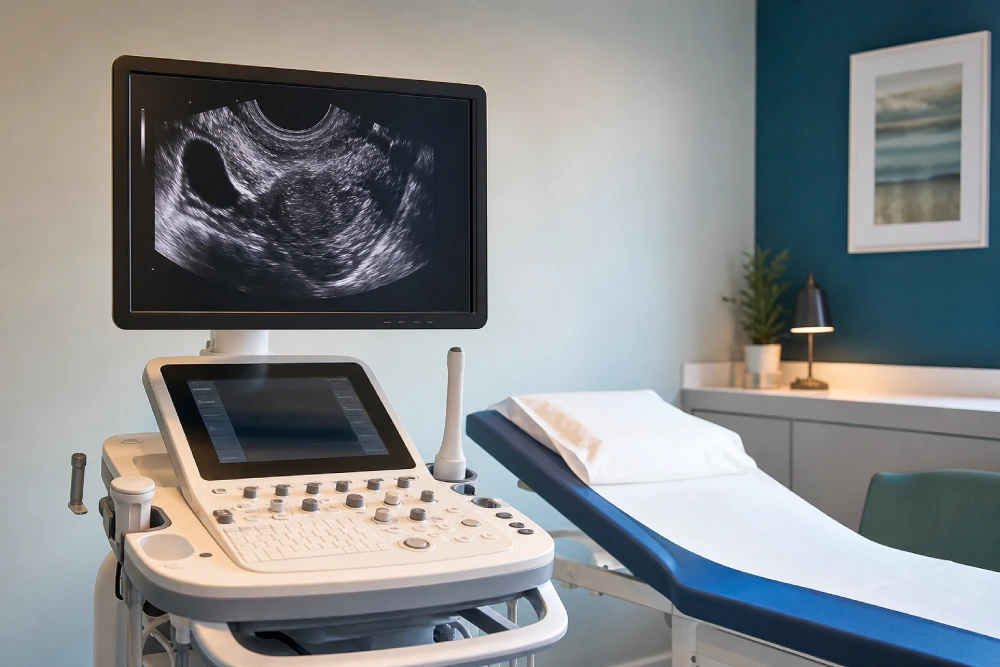
Transvaginal ultrasound scanning
MRI imaging for detailed assessment
Review of menstrual history and symptoms
Diagnostic Methods for Endometriosis
Detailed symptom assessment
Pelvic examination
Ultrasound or MRI imaging
Laparoscopy for definitive diagnosis and treatment
What Treatment Options Are Available?
Treatment approaches for adenomyosis vs endometriosis vary depending on symptom severity, age, and fertility goals.
Adenomyosis Treatment Options
Treatment may include hormonal therapies to reduce symptoms, pain management strategies, and surgical options for severe cases:
Hormone replacement therapy to regulate symptoms
Coil (IUD) insertion for menstrual control
Endometrial ablation for heavy bleeding
Hysterectomy for severe, treatment-resistant cases
Endometriosis Treatment Options
Treatment focuses on symptom management and preserving fertility where desired:
Hormonal treatments to suppress endometrial growth
Laparoscopic surgery to remove endometrial tissue
Ovarian cyst management for endometriomas
Fertility treatments when conception is affected
Can You Have Both Conditions?
Some women may develop both adenomyosis and endometriosis simultaneously. This combination can make diagnosis more complex and may require comprehensive treatment approaches addressing both conditions.
Specialist evaluation becomes particularly important when multiple gynaecological conditions are present, ensuring accurate diagnosis and appropriate treatment planning.
When Should You Seek Specialist Care?
Consider consulting a gynaecologist if you experience persistent pelvic pain, heavy menstrual bleeding, or symptoms that interfere with daily activities. Early diagnosis and treatment can significantly improve quality of life and prevent complications.
Miss Deepti Cheema offers comprehensive assessment and treatment for both adenomyosis and endometriosis, utilising advanced diagnostic techniques and personalised treatment approaches.
Understanding the differences between adenomyosis vs endometriosis helps women recognise their symptoms and seek appropriate care. While both conditions can significantly impact quality of life, effective treatments are available to manage symptoms and improve wellbeing.
To discuss your symptoms and explore treatment options for adenomyosis or endometriosis, book a consultation with Miss Deepti Cheema. Her expertise in gynaecological conditions ensures you receive accurate diagnosis and personalised care tailored to your individual needs.