
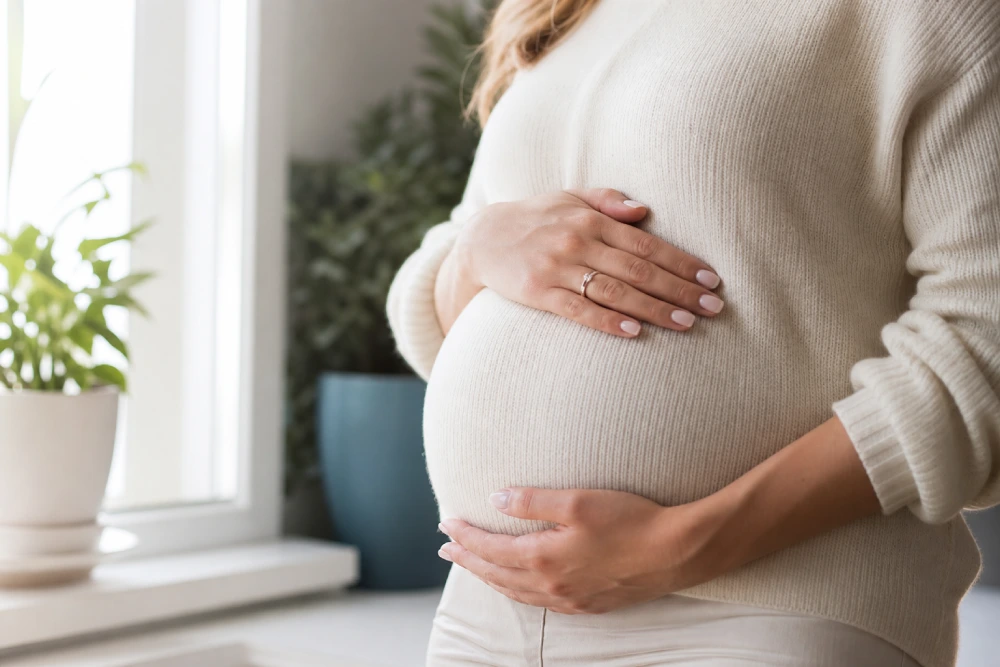


The best age to get pregnant with endometriosis is typically between 25 and 35 years old, when fertility is naturally at its peak and before the condition progresses significantly. However, individual circumstances vary greatly, and many women with endometriosis successfully conceive outside this age range with appropriate medical support.
Miss Deepti Cheema is an experienced obstetrician-gynaecologist practising in Birmingham who specialises in endometriosis treatment and fertility management. She provides comprehensive care for women navigating pregnancy planning with endometriosis, offering personalised treatment approaches based on individual circumstances and severity of the condition.
How Does Age Affect Pregnancy Success with Endometriosis?
Age plays a crucial role in determining the best time to get pregnant with endometriosis. The condition tends to worsen over time, making earlier conception generally more favourable. Women in their twenties and early thirties typically have the highest success rates, as both natural fertility and endometriosis symptoms are more manageable during this period.
Several factors influence how age impacts pregnancy outcomes with endometriosis:
Natural fertility decline begins after age 35
Endometriosis progression can worsen with time
Egg quality decreases with advancing age
Treatment options may become more limited in later years
Recovery from fertility treatments is typically faster in younger women
Fertility Considerations in Your 20s
Women in their twenties with endometriosis often have the best chance of natural conception. The condition may be less advanced, and natural fertility is at its peak. However, many women in this age group may not yet be ready for pregnancy due to personal or professional circumstances.
Pregnancy Planning in Your 30s
The early thirties remain an excellent time for women with endometriosis to conceive. While fertility begins to decline gradually after 32, most women still have good pregnancy prospects. This age range often aligns better with personal readiness for parenthood whilst maintaining good fertility potential.
Considerations After Age 35
Women over 35 with endometriosis may face additional challenges, as both age-related fertility decline and endometriosis progression can impact conception rates. However, many women in this age group still achieve successful pregnancies with appropriate medical support and treatment.
What Factors Should Influence Your Decision?
Determining the best age to get pregnant with endometriosis involves considering multiple personal and medical factors beyond just chronological age. Each woman’s situation is unique, and the optimal timing depends on individual circumstances.
Key factors to consider include:
Severity and stage of your endometriosis
Current symptoms and pain levels
Previous fertility assessments or treatments
Personal readiness for pregnancy and parenthood
Partner’s age and fertility status
Financial and emotional support systems
Career and lifestyle considerations
Medical Assessment Importance
A thorough medical evaluation can help determine your individual fertility potential and guide timing decisions. This assessment typically includes pelvic examinations, ultrasound scans, and fertility hormone testing to understand how endometriosis may be affecting your reproductive health.
Symptom Management
The severity of endometriosis symptoms can influence pregnancy timing decisions. Some women may benefit from treatment to manage symptoms before attempting conception, whilst others may find that pregnancy provides temporary symptom relief.
How Can Treatment Improve Your Chances?
Various treatment options can improve pregnancy prospects for women with endometriosis, regardless of age. The best approach depends on the severity of the condition, age, and individual circumstances.
Treatment options that may enhance fertility include:
Laparoscopic surgery to remove endometrial tissue
Hormone therapy to manage symptoms
Fertility medications to support ovulation
Assisted reproductive technologies when needed
Pain management strategies
Surgical Interventions
Laparoscopic surgery can remove endometrial implants and scar tissue that may be interfering with fertility. This minimally invasive approach can improve pregnancy rates, particularly for women with moderate to severe endometriosis.
Medical Management
Hormone treatments and fertility medications can help manage endometriosis symptoms and support conception efforts. Your clinician will discuss which options may be most suitable for your specific situation.
When Should You Seek Specialist Advice?
Early consultation with a specialist can help optimise your chances of conception and ensure appropriate timing for pregnancy attempts. This is particularly important for women with diagnosed endometriosis who are considering starting a family.
Consider seeking specialist advice if you:
Have been diagnosed with endometriosis and are planning pregnancy
Have been trying to conceive for six months without success
Experience severe pelvic pain or heavy periods
Are over 35 and considering pregnancy with endometriosis
Want to understand your fertility options and timeline
The best age to get pregnant with endometriosis varies for each individual, but generally falls between 25 and 35 years old when natural fertility is optimal and the condition may be less advanced. However, successful pregnancies are possible at various ages with appropriate medical support and treatment. Early consultation with a specialist can help you understand your individual circumstances and develop a personalised plan for achieving pregnancy.
To discuss your fertility options and determine the best timing for pregnancy with endometriosis, book a consultation with Miss Deepti Cheema. She can provide expert guidance tailored to your specific situation and help you navigate your family planning journey with confidence.